Introduction: A Night Sky, a Beam, and a Quiet Question
I remember standing on a cold pier, breath lifting like pale mist, when the first beam rose and stitched a silver seam into the clouds. A sky laser drew a path that felt both precise and tender, like a compass finding true north. In one city report, events with aerial beams saw recall rise by almost half, and footfall lingered long after the music stopped—numbers with a soft heartbeat behind them. So why do some nights feel like magic while others fade into noise? The answer is not only about power or height. It is about how we compare choices, align intent, and reduce the small frictions that steal wonder. The right design reads the weather, the skyline, and the human gaze; it tunes light like a story (and edits the quiet parts). Come with me, and let’s open the lens a little wider, then walk toward the practical truths that make the romance last.
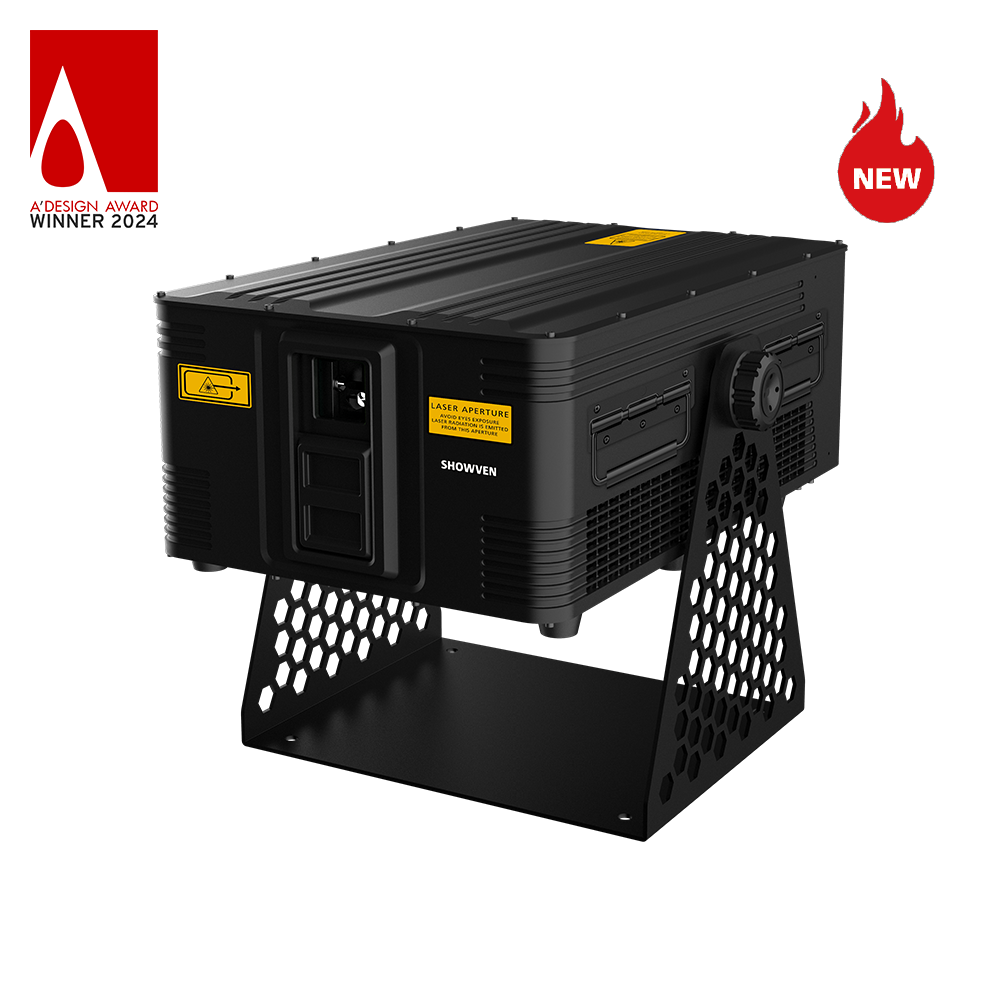
The Hidden Friction Inside Architectural Spectacle
Why do legacy setups stumble?
Let’s be technical for a moment. An architectural laser is not just a bright source; it is a system that must keep alignment, cooling, safety, and content in tight sync. Legacy rigs often hide pain points. Long throw sequences drift when wind nudges beam divergence, and the cues do not adapt. Operators chase DMX control quirks across patch lists that grew like vines. Galvo scanners can be fast yet still show jitter at the edge of a frame, especially when thermal load alters the duty cycle mid-show. Look, it’s simpler than you think: the friction comes from small mismatches—content asks one thing, hardware answers another.
Users feel it most in maintenance windows and messy handoffs. A site may pass an afternoon re-leveling a mount only to find content timing still off by a beat—funny how that works, right? The old fix is “add time, add staff, add padding.” But that hides costs and dulls the moment. When housings lack an IP65 enclosure or when power converters run near limit, uptime falls right when crowds arrive. The deeper issue is orchestration. Without feedback on temperature, without health states for nodes, and without clean presets for focus, each show starts from scratch. That steals confidence. And wonder does not bloom under doubt; it blooms when the rig feels predictable and graceful under pressure.
Beyond the Façade: Principles Redefining Open-Air Beams
What’s Next
Now, let’s look forward and compare what changes the game. New systems embed edge computing nodes near fixtures, so cues react to live data rather than wishful timing. Thermal maps guide fans and heat sinks before stress rises, and safety scan zones adjust in real time. The optic train benefits too: predictive focus reduces blur as air shifts, keeping lines crisp without a heavy operator load. When a powered laser joins that loop, you get steady output with kinder life cycles, because power ramps are shaped—not slammed. This is not hype; it is control theory meeting night air. We trade brute force for smart force, and the skyline looks calmer, stronger, more legible. Small note—design for failure states first, then everything else gets easier.
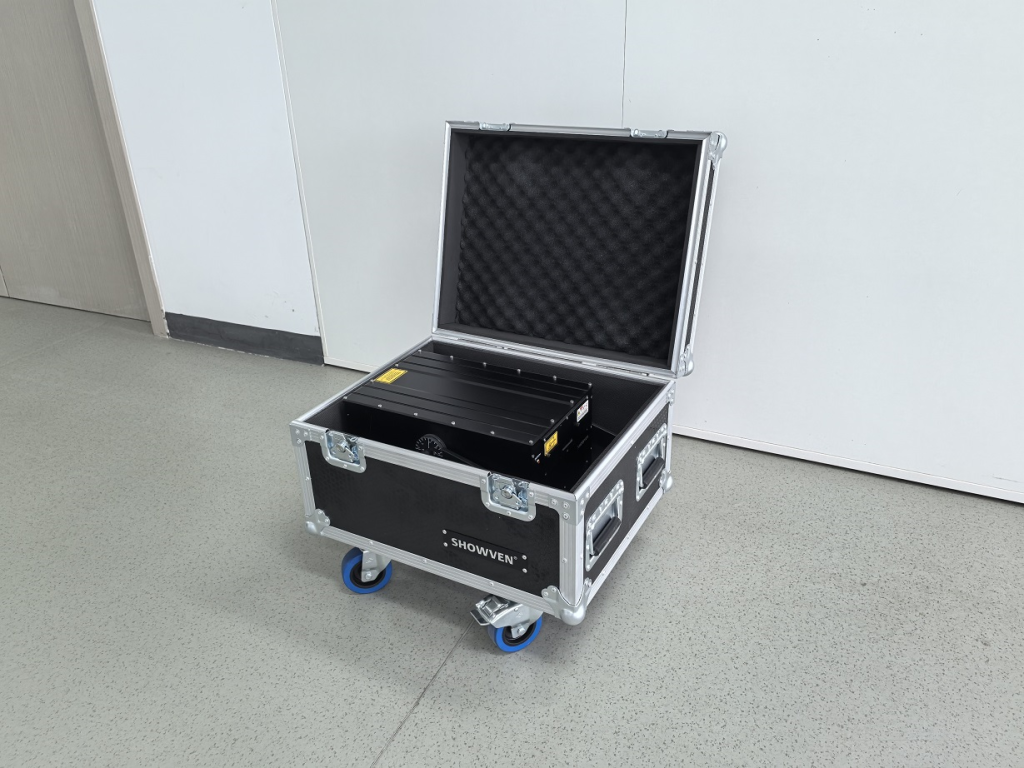
Here’s how to choose with care, and to compare like a pro. First, measure beam stability under motion, not just static lines; ask for logs that track scan accuracy over time. Second, check orchestration depth: can you run health checks, version content, and recover presets without a truck roll? Third, verify environmental fitness with numbers, not labels—temperature headroom, ingress testing, and service intervals you can live with. Keep an eye on practical markers like IP65 enclosure ratings, but also on how the system reports itself when tired. When these three metrics line up, you cut noise and raise trust. And trust is the quiet engine of awe—funny how that circles back, right? For deeper specifications and sober benchmarks, see Showven Laser.