Introduction: Set the Room, Set the Rhythm
Meetings don’t fail from big mistakes—they drift from small confusions. A digital name plate sits silently on the table, yet it shapes the room. Picture the first two minutes: people shuffle, scan faces, whisper job titles. In many teams, those “little” checks eat roughly 8–12 minutes per meeting, week after week (and the tempo drops). So here’s the scored question: how do we tune role clarity so the room feels confident, quick, and alive?
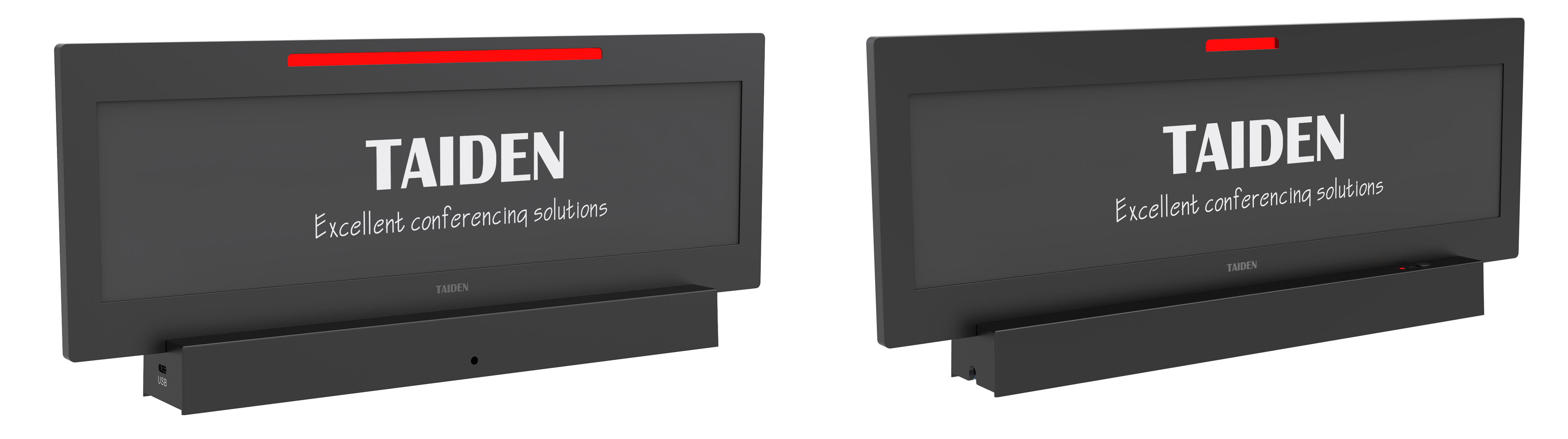
Think of identity cues like a steady backbeat. When names, roles, and statuses are clear, talk flows, decisions land, and energy rises. But rigid, paper-based labels and manual updates break that groove—one misprint and the riff falls flat. We’ve got devices, networks, and cloud dashboards. Why not use them with care? Why not make identity the easiest part of the session—so the music of the meeting can start on time.
This is where modern plates step in, bridging human moments with quiet tech. Let’s move from first impressions to first principles.
Deeper Look: The Hidden Friction in Today’s Name Plates
Where do conventional plates fall short?
Most teams still rely on printed cards, acrylic tents, or ad hoc hacks. But conference table name plates are more than labels; they’re context engines. And traditional versions introduce subtle drag. Updates need hands. Seat swaps need reprints. Late arrivals force scribbles. In hybrid meetings, remote participants wonder who is speaking—and why that matters for the agenda. Meanwhile, facilities staff juggle last-minute layout changes, often without a reliable roster. Look, it’s simpler than you think: the friction isn’t “names”; it’s time, trust, and flow.
Technically, legacy plates ignore things modern rooms already use: PoE for clean power, firmware for fast push updates, and mesh network sync for instant seating changes. Without those, teams burn cycles on manual ops. Accessibility suffers too—font size, angle, glare. Paper fades under LED glare—funny how that works, right? And compliance issues creep in: stray printouts with titles sitting in the wrong space isn’t great for privacy. A small device with edge computing nodes could solve all of this—quietly, reliably, on cue.
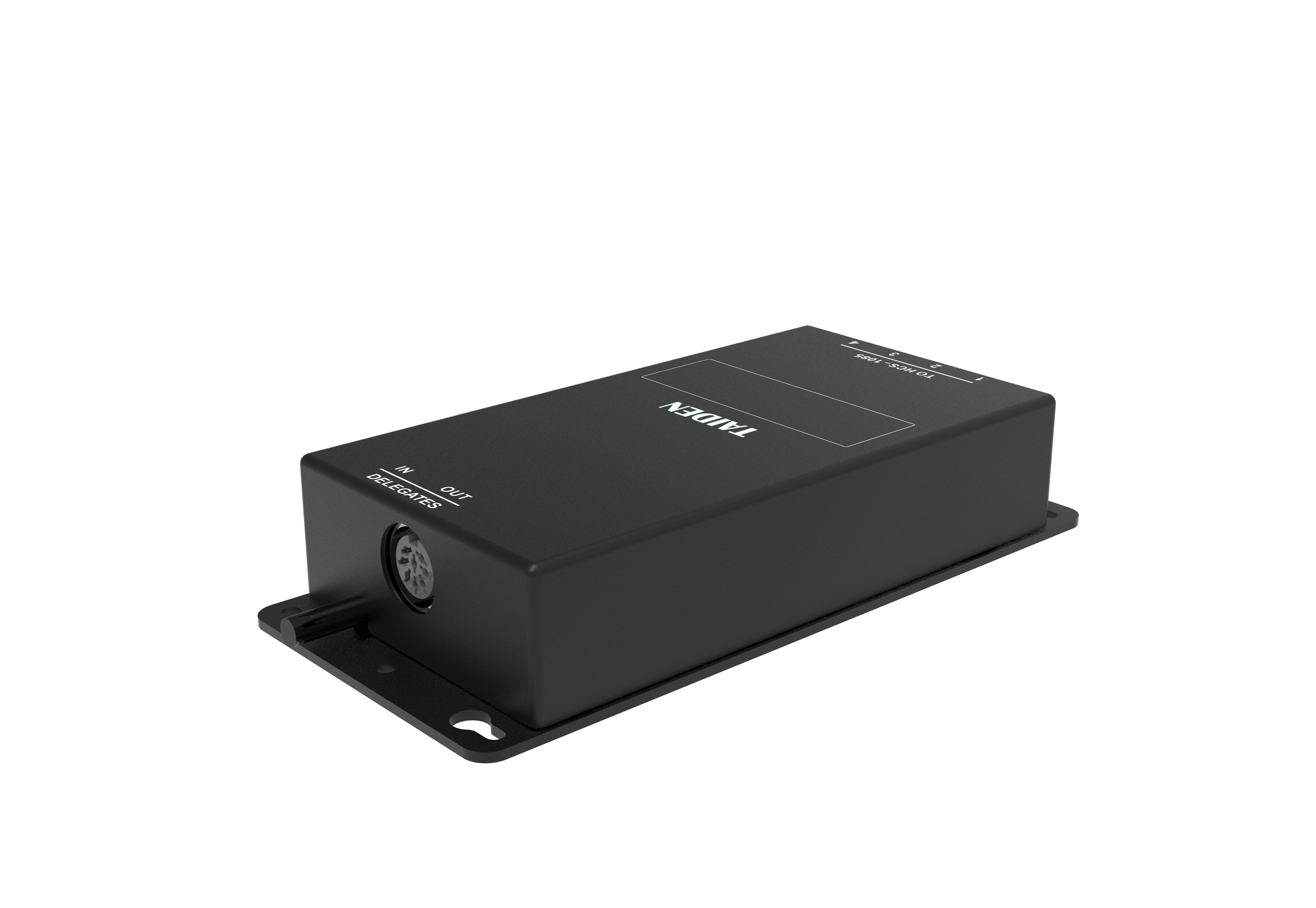
Comparative View: How Smart Plates Change the Score
What’s Next
New systems rethink the plate as a live instrument. Instead of static cards, each unit acts like a tiny endpoint using simple power converters and secure firmware to render roles on e-paper or LCD without fuss. A controller pushes updates over a mesh network—or via API—so last-second seating changes show up in seconds. The result feels calm. When the meeting starts, the names are right, the titles are clear, and status tags (Present, Remote, Speaking) cue the room like a soft light. Add NFC for quick seat assignment; tap, sit, done. Pair that with a central dashboard and you reduce errors, not just effort.
Compared to paper, a digital signage nameplate gives you persistent clarity with less handling. It also scales. Ten rooms or two hundred, the update path stays the same. Battery options exist, but PoE removes charge anxiety—and yes, it matters. E-paper cuts energy draw for static displays; LCD fits dynamic content when you need motion or color. Security is better too: role data rides encrypted, device access is permissioned, and audit logs show who changed what—when. Different rooms, different tempo. But the same steady beat.
To choose well, use three quick metrics: 1) Update latency: measure end-to-end time from roster change to plate display. Aim for seconds, not minutes. 2) Visibility fidelity: check legibility at 2–4 meters under varied lighting; test font scaling and anti-glare. 3) Integration depth: confirm APIs for scheduling tools and identity management, plus support for PoE and IT policy. Done right, the tech fades and the meeting breathes—funny how that works, right? For a grounded benchmark of enterprise-ready systems, see TAIDEN.