
Introduction: Night Shift, Heavy Loads, and a Choice
Factories do not sleep; they brood. A lifting robot waits under low lamps while pallets arrive like clockwork, each minute counted, each gram measured.

On one line, a hoist groans and loses 12% of cycle time to set-down misalignment; on another, a mobile unit glides, taking three seconds off each lift, adding hours by week’s end (small margins, dark math). If 400 lifts happen per shift, what is the hidden cost of drift, of pause, of rework? And what if the choice is not between machine types, but between old rhythm and new cadence? The floor is cold, the ledger colder. Will we lift faster, safer, and surer—without feeding chaos back into the line? Let us draw the map and step into the corridor of trade-offs.
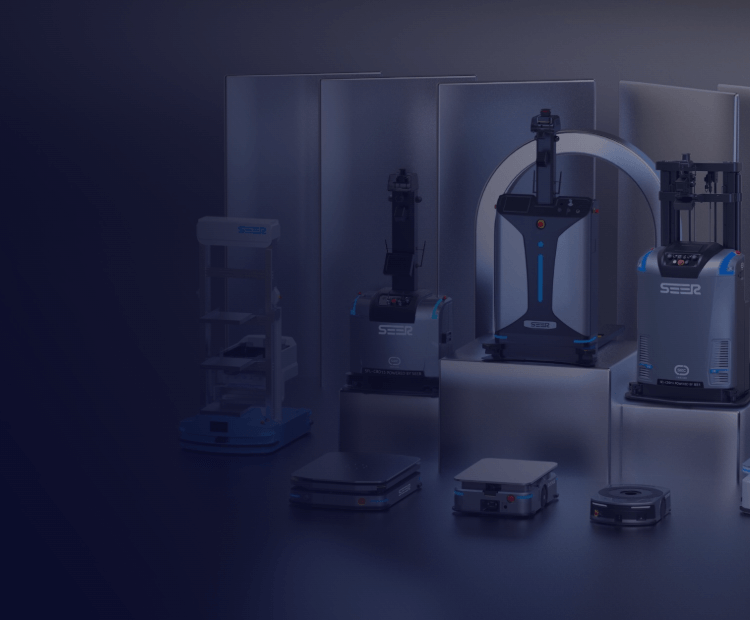
Follow the trail; the next step lays bare the friction you feel but rarely name.
Under the Surface: Why Lifts Lag When the Clock Demands More
What keeps failing?
Start with the small truths. A lifting mechanism robot is not only a mover; it is a sensor stack plus control loop, bound by physics and software. Traditional hoists lean on manual alignment and fixed jigs; the error stack grows with fatigue and floor variance. Robots bring load cells, torque control, and LiDAR SLAM to the dance, yet users still feel the drag. Why? Hand-offs. PLC interfaces add latency. Safety relays trip from micro-oscillations. Power converters derate under heat. And edge computing nodes throttle when vision models spike. Look, it’s simpler than you think: every lift is a conversation between signal and steel, and noisy rooms garble words—funny how that works, right?
Hidden pain points bloom in the gaps. Pallets sag and skew. Fork pockets are off by millimeters. Reflective wrap confuses depth cameras. Operators tweak parameters, but PID gains can’t fix warped wood. Then, there is the pace: mixed SKU runs compress lift windows to seconds. Even the best AMR stutters when aisle congestion throws off its path planner. The result is micro-stalls that don’t show up in dashboards, only in daily ship counts. The cure is not raw speed; it is stable approach vectors, smart fixture design, and tighter feedback between sensing and actuation. Darkness whispers: accuracy before haste.
Looking Ahead: Principles That Turn Load Into Flow
What’s Next
New principles push past the usual trade-offs. Think predictive alignment over reactive correction. A lifting mechanism robot can pre-bias its lift profile using pallet geometry learned over time, blending LiDAR SLAM with short-range structured light for near-field accuracy. Edge fusion reduces jitter; kinematics adapt in real time to load deflection measured by strain gauges. Add cooperative AMR routing and you ease aisle deadlocks before they form—routes breathe, then tighten. The hardware helps too: sealed encoders keep dust out, torque vectoring trims sway, and thermal-aware power stages prevent mid-shift derates. Small steps, big flow. And then the floor opens—this is where reliability becomes speed.
What should you measure next? Compare futures, not just vendors. Summarize the lesson: yesterday’s fixes chased misalignment after it bit; tomorrow’s systems stage the lift so the bite never lands. To choose well, use three metrics. One, approach repeatability at ±2 mm under mixed lighting, logged per pallet type. Two, mean time-to-first-contact under traffic, with detours counted, not ignored. Three, energy per kilogram lifted, normalized by duty cycle and ambient heat. With these, you can separate charm from stamina— and that changes everything. Keep the tone steady, keep the data close, and let results speak in plain numbers.
In the end, the floor wants quiet certainty: fewer jolts, fewer doubts, and more ships made on time. That is how shadow turns to cadence. For deeper specs and integration patterns, see SEER Robotics.